Dry Well Construction in Birmingham, AL
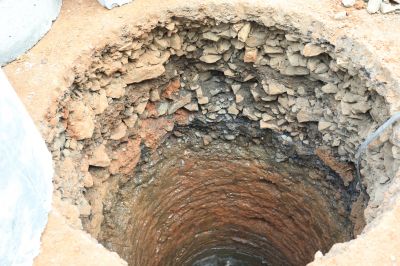
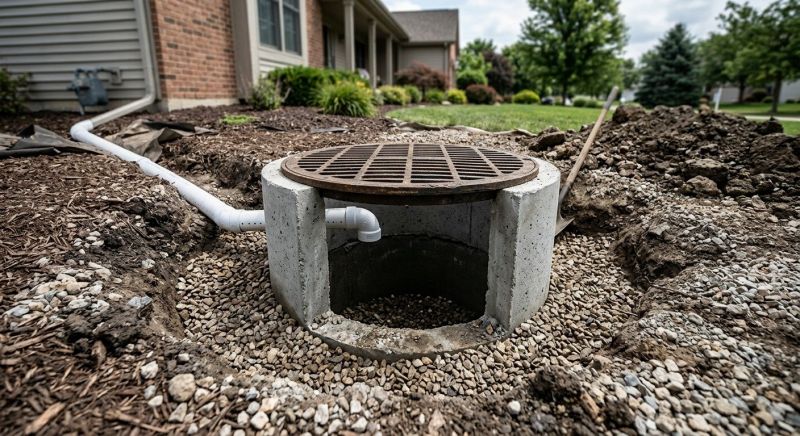
Dry well construction services involve creating underground drainage systems designed to manage excess water on residential properties. These systems typically consist of a perforated pipe surrounded by gravel or other permeable materials, allowing water to safely drain away from foundations, lawns, or other areas prone to water accumulation. Property owners often request dry well installation for projects such as managing runoff from roof gutters, reducing pooling in yards, or improving drainage around septic systems. Before requesting this service, homeowners should consider the property's soil type, the volume of water needing drainage, and local regulations that may influence the design and placement of the dry well.
Understanding the scope of dry well construction also involves knowing where the system will be installed, how it will connect to existing drainage features, and the maintenance requirements over time. Proper siting is essential to ensure the dry well functions effectively and complies with local codes. Property owners typically want to know if the site has adequate space, what materials will be used, and how the system will impact their landscape. Contacting a professional for an assessment can help determine the best approach for managing water runoff efficiently and sustainably on the property.
Many property owners in Birmingham, AL look into Dry Well Construction for repairs, replacements, upgrades, and appearance-related improvements.
Purpose Of Dry Wells
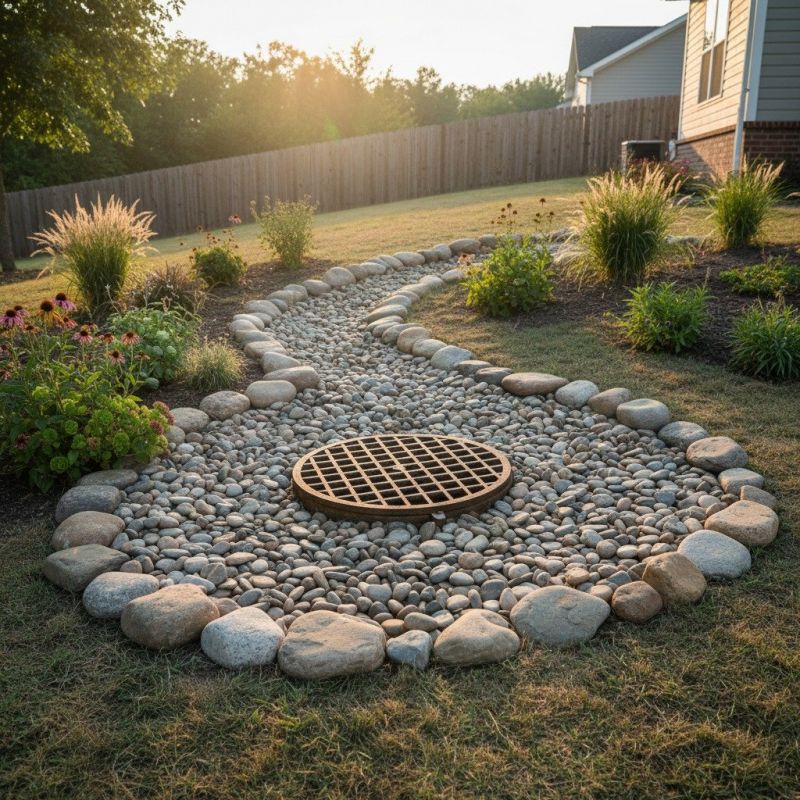
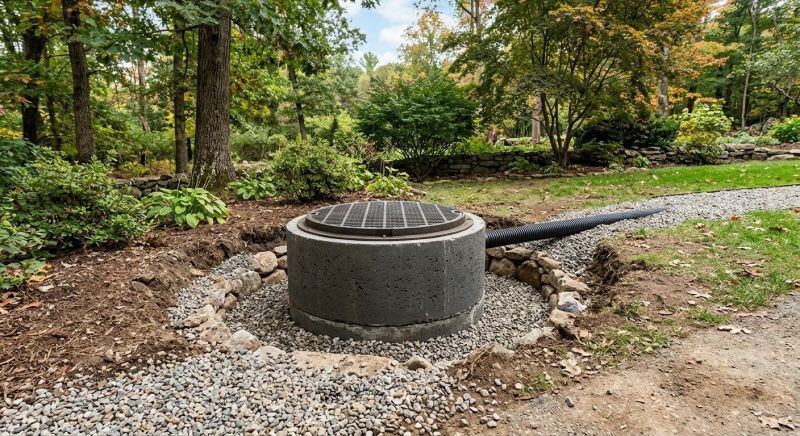
Dry wells help manage excess water runoff and prevent flooding on residential properties.
Common Applications
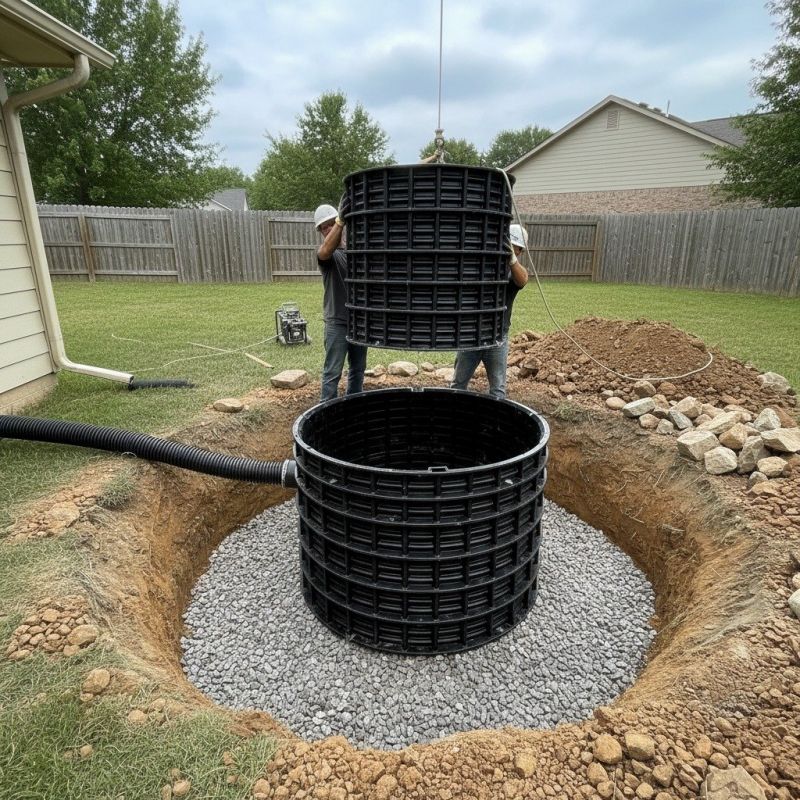
They are often used for drainage from sump pumps, downspouts, and landscape irrigation systems.
Construction Considerations
Proper siting and installation are essential to ensure effective water absorption and long-term performance.
Dry Well Construction in Birmingham, AL
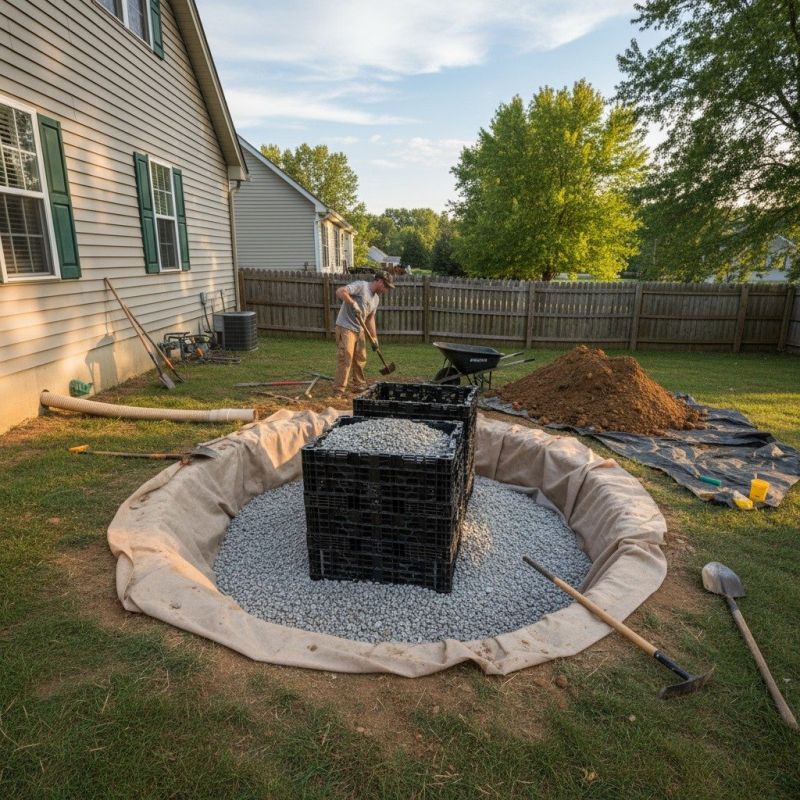
Dry well construction services involve creating underground drainage systems designed to manage excess water on residential properties. These systems typically consist of a perforated pipe surrounded by gravel or other permeable materials, allowing water to safely drain away from foundations, lawns, or other areas prone to water accumulation. Property owners often request dry well installation for projects such as managing runoff from roof gutters, reducing pooling in yards, or improving drainage around septic systems. Before requesting this service, homeowners should consider the property's soil type, the volume of water needing drainage, and local regulations that may influence the design and placement of the dry well.
Understanding the scope of dry well construction also involves knowing where the system will be installed, how it will connect to existing drainage features, and the maintenance requirements over time. Proper siting is essential to ensure the dry well functions effectively and complies with local codes. Property owners typically want to know if the site has adequate space, what materials will be used, and how the system will impact their landscape. Contacting a professional for an assessment can help determine the best approach for managing water runoff efficiently and sustainably on the property.
Many property owners in Birmingham, AL look into Dry Well Construction for repairs, replacements, upgrades, and appearance-related improvements.
Common Dry Well Construction Jobs
Dry Well Installation - provides an effective solution for managing excess stormwater on residential properties.
Dry Well Repair - restores proper drainage function after blockages or damage occur.
Dry Well Maintenance - helps prevent issues by keeping the system clear and functioning efficiently.
Dry Well Replacement - replaces aging or failing units to ensure continued drainage performance.
Drainage System Integration - connects dry wells with existing drainage to improve water management.
Site Evaluation Services - assesses property conditions to determine the best dry well solutions.
Dry Well Construction Questions
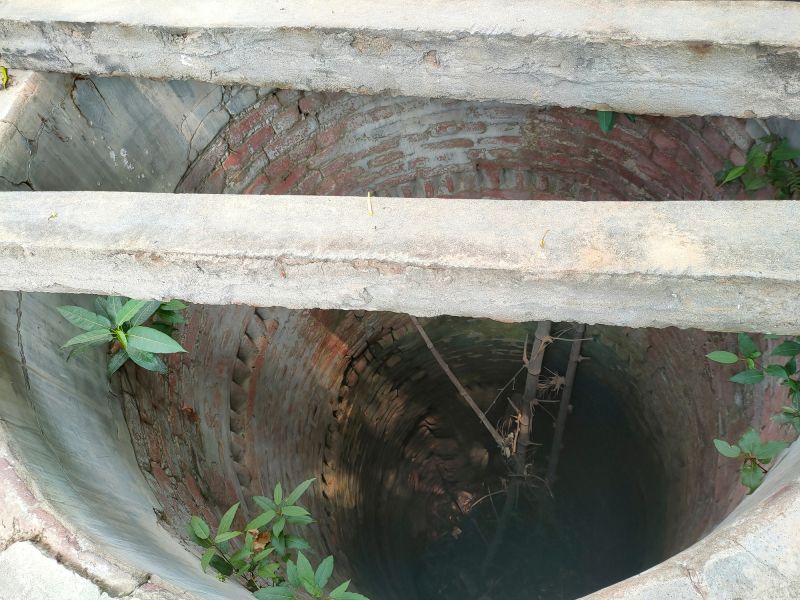
What is a dry well used for? A dry well helps manage excess water by directing it into the ground, reducing pooling and water buildup around the property.
What types of drainage issues can dry wells resolve? Dry wells are effective for addressing yard flooding, foundation drainage, and runoff from gutters or heavy rain.
How deep are dry wells typically installed? Dry wells are usually installed several feet below ground level, depending on the property’s drainage needs and soil conditions.
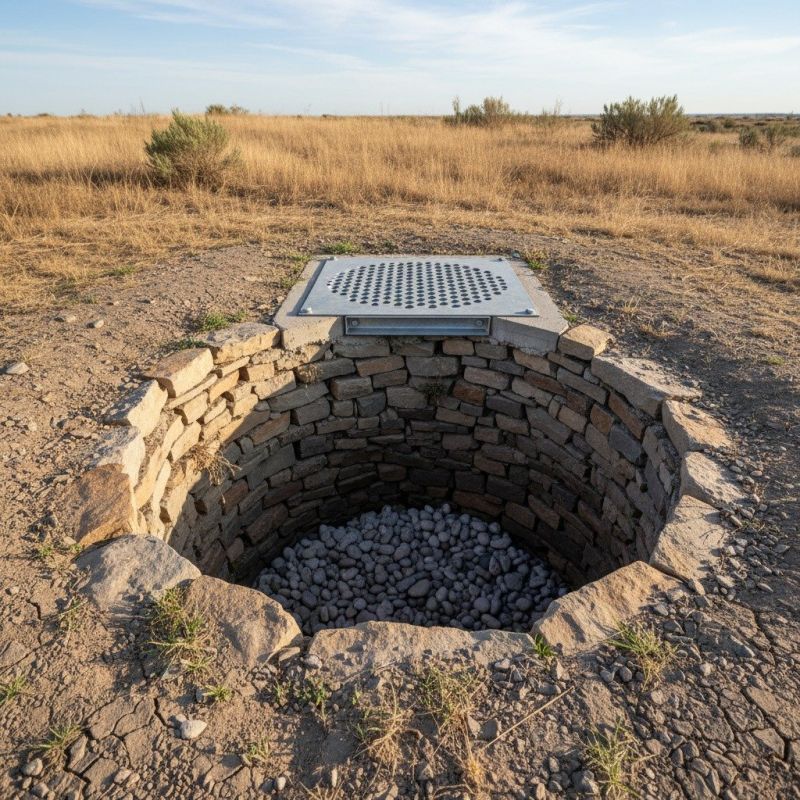
What materials are commonly used for dry well construction? Common materials include gravel, perforated pipe, and concrete or plastic chambers designed for underground water collection.
Request Dry Well Construction in Birmingham, AL
Use the quote form on this page to share the basics of your project and request more information for the type of work you need.